10 Essential Elements for Designing Inspiring Workspaces
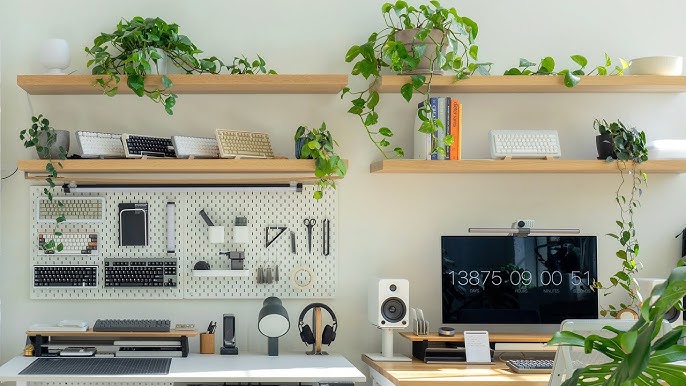
Creating an inspiring workspace involves considering various essential elements that contribute to a productive and motivating environment. First, natural light plays a crucial role; studies indicate that exposure to sunlight can boost mood and enhance productivity. Additionally, incorporating ergonomic furniture is vital to ensure comfort and reduce the risk of work-related injuries. A well-designed workspace should also include flexible layouts that promote collaboration while still providing areas for focused work. Lastly, integrating green elements, such as plants, can significantly enhance air quality and create a calming atmosphere.
Another critical aspect of designing inspiring workspaces is the use of color psychology. Colors can affect emotions and productivity; for instance, blue hues foster calmness and concentration, while yellow can inspire creativity. Furthermore, incorporating technology is essential in today’s digital age; ensuring that the workspace is equipped with modern tools and high-speed internet can facilitate smooth workflows. Lastly, fostering a sense of community through personal touches—like showcasing team achievements or allowing employees to decorate their areas—can cultivate a strong company culture and inspire greater collaboration.
Counter-Strike is a popular tactical first-person shooter game that emphasizes teamwork and strategy. Players can choose to play as terrorists or counter-terrorists, with various objectives such as bomb defusal and hostage rescue. For gamers seeking to enhance their setup, check out the Top 10 iPhone desk stands that can help organize their gaming space and improve comfort during long sessions.
How Color Psychology Influences Creativity in Your Workspace
The impact of color psychology on creativity is a fascinating area of study, particularly when applied to the design of workspaces. Different colors can evoke various emotional responses and influence cognitive functions. For example, shades of blue are often associated with calmness and focus, making them ideal for tasks that require concentration and clarity. In contrast, vibrant hues like yellow can stimulate mental activity and encourage innovative thinking. By strategically incorporating these colors into your workspace, you can create an environment that not only boosts creativity but also enhances overall productivity.
To harness the power of color psychology in your workspace, consider the following tips:
- Choose a base color: Select a color that resonates with your work style and task demands.
- Incorporate accents: Use complementary colors in decor or furniture to stimulate creativity without overwhelming the senses.
- Test and adjust: Experiment with different shades and combinations to find the perfect balance that fosters inspiration.
By understanding how color influences mood and creativity, you can transform your workspace into a dynamic and stimulating environment.
What Are the Top Trends in Workspace Design for Enhanced Creativity?
As organizations strive to foster innovation and collaboration, the emphasis on creative workspace design has become paramount. One of the top trends in workspace design is the incorporation of open floor plans, which encourages communication and teamwork among employees. Additionally, many companies are opting for flexible workspaces that can easily adapt to various tasks, from brainstorming sessions to focused work. Elements such as biophilic design, which integrates natural elements into the workspace, have also gained traction, as studies suggest that access to nature can significantly enhance creativity and overall well-being.
Another trend is the addition of collaborative zones within the office, such as lounge areas and breakout spaces, that offer comfortable settings for informal meetings and idea exchanges. Color psychology plays a significant role in workspace design as well, with companies using energetic colors like yellow and green to stimulate creativity and positivity. Lastly, investing in technology – such as virtual reality tools and advanced audiovisual equipment – allows teams to explore creative possibilities in ways that were previously unimaginable. By embracing these trends, organizations can create environments that not only boost productivity but also inspire creativity.