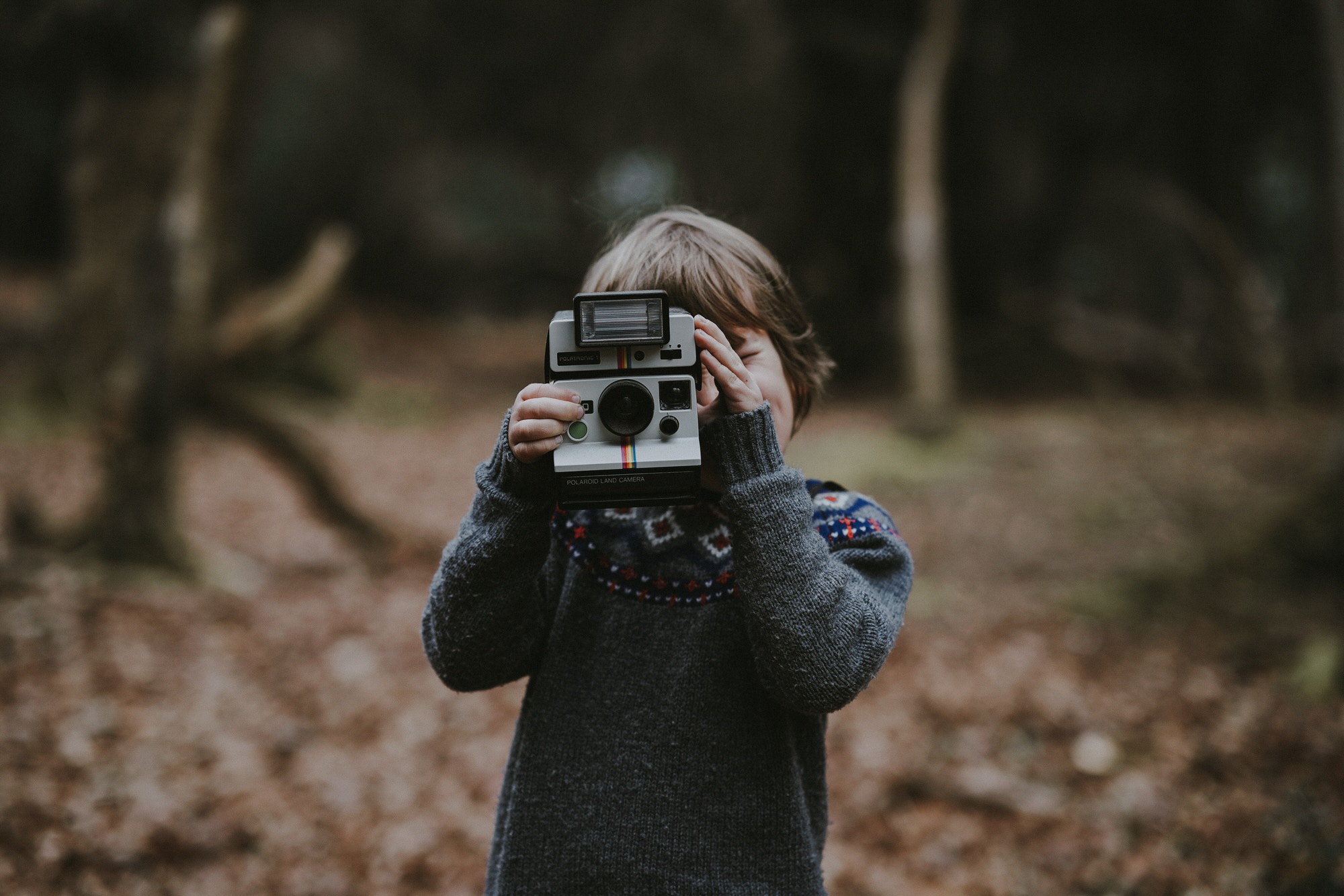
Mastering Composition: Tips to Frame Your Photos Like a Pro
Mastering composition is essential for elevating your photography skills to a professional level. One of the most effective ways to enhance your photos is to apply the Rule of Thirds. Imagine splitting your frame into a grid of nine equal parts with two horizontal and two vertical lines. By positioning the most important elements of your scene along these lines or at their intersections, you create a more balanced and engaging composition. Additionally, always pay attention to your background. A cluttered or distracting backdrop can take away from the subject of your photo, so make sure to frame your shots with consideration for what’s behind your focal point.
Another valuable technique is to experiment with different perspectives. Don’t just shoot from eye level; explore various angles and heights to find the most captivating viewpoint. It can also be beneficial to use leading lines to draw the viewer's eye into the image. Leading lines can be roads, paths, or even the edges of buildings that guide the viewer's gaze toward the main subject. Finally, remember that simplicity often triumphs over complexity. A well-framed photo that emphasizes a single subject is frequently more powerful than a cluttered scene. Keep these tips in mind, and you'll be on your way to framing your photos like a pro!
Counter-Strike is a popular tactical first-person shooter game that has captivated players since its initial release in the late 1990s. Known for its team-based gameplay, players take on the roles of terrorists or counter-terrorists as they complete objectives or eliminate opponents. For those looking to enhance their mobile photography, check out the Top 10 Selfie Lights for iPhone 17 to elevate your selfie game. With its competitive scene and numerous tournaments, Counter-Strike remains a staple in the esports community.
Understanding Exposure: Unlocking the Secrets of Shutter Speed, Aperture, and ISO
Understanding exposure is crucial for any photographer looking to elevate their craft. The three main components that dictate exposure are shutter speed, aperture, and ISO. Each element plays a vital role in controlling the amount of light that reaches the camera's sensor. Shutter speed determines how long the camera's shutter remains open, allowing light to enter. For instance, a fast shutter speed (like 1/1000 of a second) freezes motion, while a slow shutter speed (such as 1 second) can create a beautiful blur, adding a sense of movement to your images. Understanding how to balance these settings is key to achieving the desired effect.
The aperture, measured in f-stops, controls the size of the lens opening. A wider aperture (a lower f-stop number) allows more light in, creating a shallow depth of field that beautifully blurs the background, ideal for portrait photography. In contrast, a smaller aperture (a higher f-stop number) decreases the light intake, enhancing depth of field and keeping more elements in focus, which is perfect for landscape shots. Lastly, ISO measures the camera sensor's sensitivity to light. Choosing the appropriate ISO setting can help you avoid graininess in low-light conditions, but it’s important to manage it carefully to maintain image quality. Balancing these three elements—shutter speed, aperture, and ISO—is the key to mastering exposure and unlocking the full potential of your photography.
What Common Photography Mistakes Should You Avoid for Stunning Shots?
When it comes to capturing stunning shots, many photographers fall into common traps that can diminish the quality of their work. One of the most prevalent mistakes is neglecting composition. A cluttered background or skewed horizon can distract from the subject. To enhance your photography, consider following the Rule of Thirds, which suggests dividing your frame into thirds both horizontally and vertically. Positioning your subject along these lines or at their intersections often results in a more visually appealing image. Additionally, always be aware of your background; ensuring it complements rather than competes with your subject can elevate your photographs significantly.
Another frequent error is poor lighting, which can turn an otherwise great shot into a lackluster one. Relying solely on natural light can limit your options, especially in low-light conditions. Instead, experiment with different lighting sources and angles—consider using reflectors or external flash to add depth and reduce harsh shadows. Moreover, editing plays a critical role in achieving that professional finish. Don't shy away from software tools; enhancing brightness, contrast, and color saturation can transform your images dramatically. By avoiding these common pitfalls, you’ll be well on your way to capturing the stunning shots you envision.