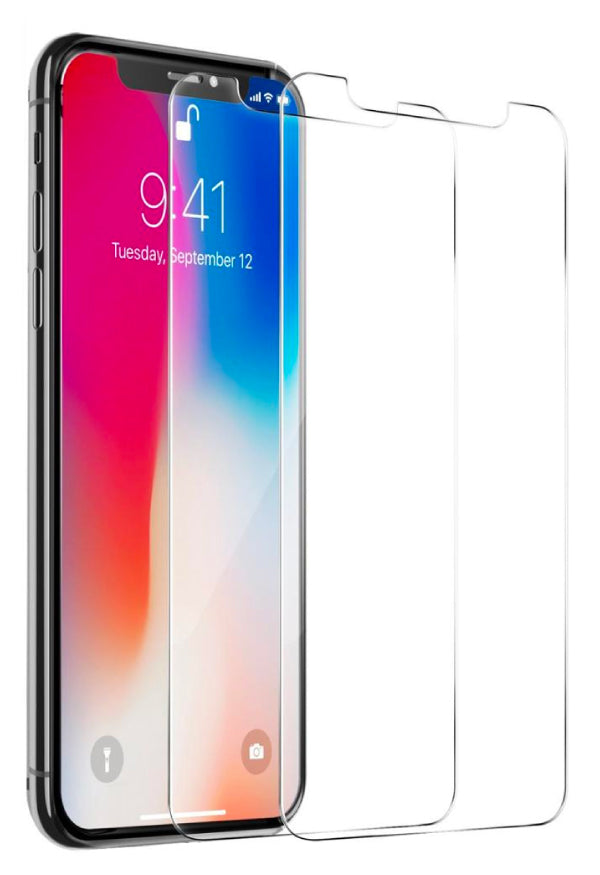
The Science Behind Screen Protectors: How They Shield Your Device
Screen protectors are designed using a variety of materials, primarily tempered glass and plastic films, which serve to absorb impact from external forces. When a device is dropped, the screen protector acts as a first line of defense, mitigating the chances of that energy transferring to the device's actual screen. According to research, tempered glass screen protectors are particularly effective due to their higher resistance to shattering and scratching. This means your device can remain unscathed from everyday wear and tear, all while preserving the touch sensitivity and clarity of the original display.
In addition to physical protection, many screen protectors are designed with advanced coatings that offer further benefits. For instance, anti-glare and anti-fingerprint technologies help maintain a clear view while providing an added layer of hygiene, as they are easier to clean. Additionally, some screen protectors incorporate UV-blocking technologies to protect your eyes from harmful rays emitted by screens. These features not only prolong the life of your device but also enhance the user experience, making it crucial to invest in a high-quality screen protector to shield your device effectively.
Counter-Strike is a popular tactical first-person shooter video game series in which players compete in teams to complete objectives such as bomb defusal or hostage rescue. The game's mechanics emphasize teamwork, strategy, and skill, which have contributed to its enduring popularity in competitive gaming. Alongside its intense gameplay, players often seek the best gear to enhance their gaming experience. For those interested in improving their setup, check out the Top 10 iphone air accessories that can help elevate your performance.
Top 5 Myths About Screen Protectors Debunked
When it comes to protecting our devices, screen protectors have become a popular accessory. However, many users are misinformed about their effectiveness. One common myth is that all screen protectors are the same. In reality, screen protectors come in various types, including tempered glass, plastic, and liquid, each offering different levels of protection and clarity. For instance, tempered glass offers superior impact resistance, while plastic might be more prone to scratches. Understanding these differences can help consumers make informed choices based on their needs.
Another prevalent myth is that using a screen protector will negatively impact touchscreen sensitivity. While some early models may have compromised sensitivity, advancements in technology have led to screen protectors that maintain or even enhance touch responsiveness. It’s important to choose high-quality products specifically designed for your device, as this ensures that you won’t sacrifice performance for protection. In summary, by debunking these myths, users can better appreciate the value of investing in reliable screen protectors to keep their devices safe.
Are Touchscreen Sensitivity and Screen Protectors Compatible?
When it comes to smartphones and tablets, the relationship between touchscreen sensitivity and screen protectors is a common concern among users. Many people wonder if applying a screen protector will compromise the touchscreen's ability to detect light touches and intricate gestures. In most cases, high-quality screen protectors are designed to maintain the original sensitivity of your device's screen. Products made from materials like tempered glass or high-grade plastic tend to provide a seamless experience, allowing for a responsive touch even with an added layer of protection.
However, not all screen protectors are created equal, and using a low-quality or thick protector may hinder touchscreen sensitivity. It’s crucial to choose a protector that explicitly states compatibility with your device's touchscreen. Testing before full application is recommended. Many manufacturers provide sample tests to ensure that their screen protector works flawlessly with your mobile device. Ultimately, selecting the right screen protector can enhance your device's durability without sacrificing touchscreen responsiveness.