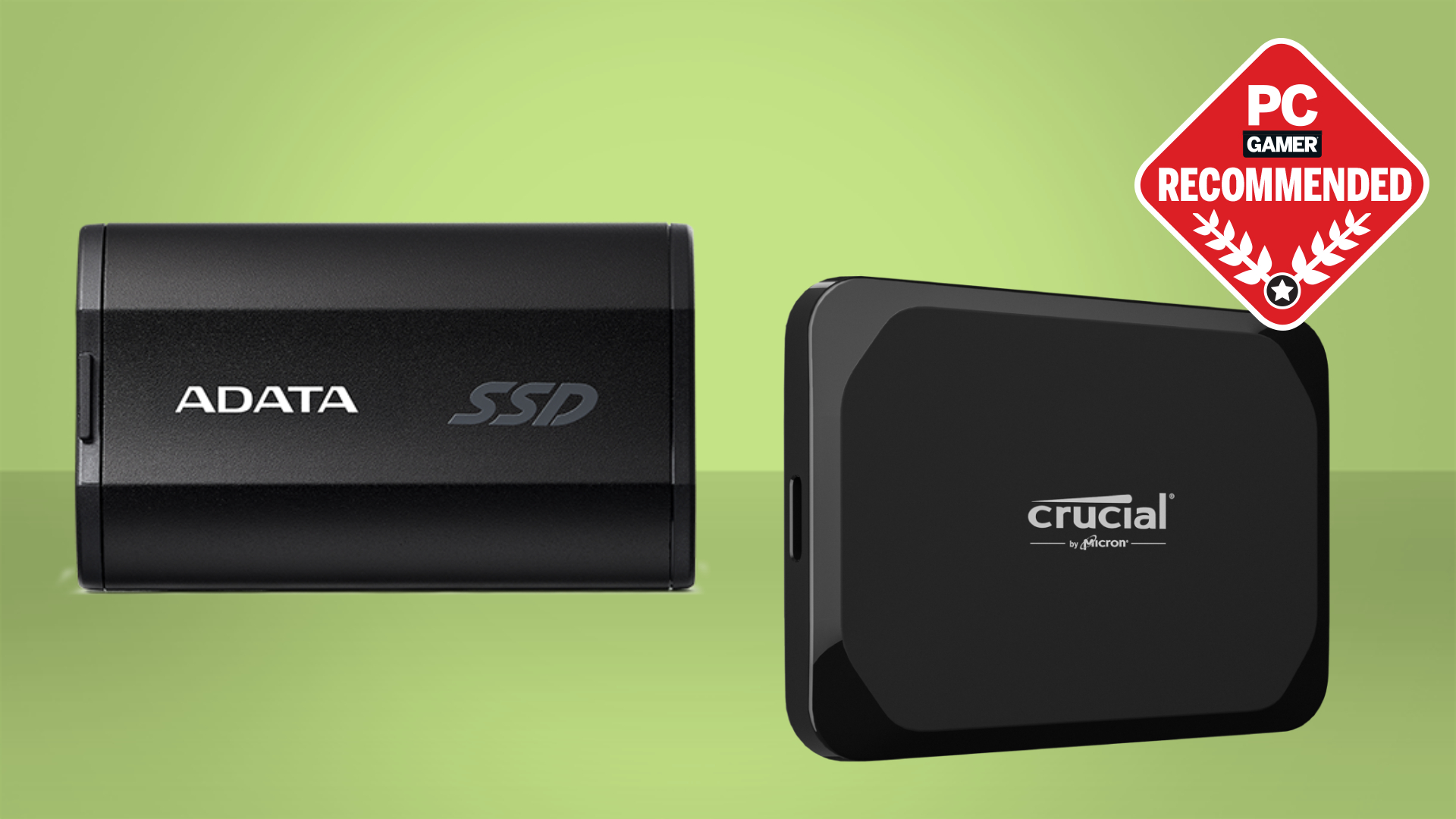
Choosing the Right External SSD: Key Factors to Consider
When it comes to choosing the right external SSD, several key factors should influence your decision. First and foremost, consider the storage capacity you require. External SSDs come in various sizes, typically ranging from 250GB to several terabytes. If you plan to store large files such as high-resolution videos or extensive game libraries, opt for a model with a higher capacity. Additionally, evaluate the speed specifications, such as read and write speeds, which can significantly affect performance during data transfer and application loading.
Another crucial factor to contemplate is portability. Depending on your lifestyle, you may prefer a compact SSD that can easily fit in your pocket or bag. Look for durable designs that can withstand everyday wear and tear, especially if you frequently travel with your drive. Furthermore, check the compatibility with your devices; many external SSDs connect via USB-C, while others may use USB 3.0 or Thunderbolt. Always ensure that your laptop or desktop supports the connectivity options of the SSD you intend to purchase.
Counter-Strike is a popular multiplayer first-person shooter game that has captivated gamers since its initial release. Players are divided into two teams, terrorists and counter-terrorists, each with their own objectives. For players looking to enhance their gaming experience, check out the Top 10 external ssds for mac for improved load times and performance. The game's strategic elements and team cooperation make it a favorite among competitive gaming communities.
How External SSDs Enhance Your Data Storage Experience
In today's fast-paced digital world, the need for reliable and efficient data storage solutions is more critical than ever. External SSDs (Solid State Drives) have emerged as a popular choice, providing a remarkable boost to your data storage experience. Unlike traditional hard drives, external SSDs use flash memory to store data, resulting in significantly faster read and write speeds. This enhanced performance not only accelerates file transfers but also improves the overall workflow for creative professionals, gamers, and anyone with large amounts of data to manage.
Moreover, external SSDs offer several advantages over their HDD counterparts, including portability, durability, and lower power consumption. They are typically more compact and lightweight, making them ideal for users who need to access their data on the go. Additionally, with no moving parts, SSDs are less prone to mechanical failures, ensuring your data remains safe and accessible. As technology continues to advance, investing in an external SSD can significantly enhance your data storage experience, providing both speed and reliability to meet your evolving storage needs.
Common Myths About External SSDs Debunked
When it comes to storage solutions, external SSDs are often surrounded by a cloud of misunderstandings. One of the most prevalent myths is that external SSDs are significantly slower than their internal counterparts. In reality, the speed of an external SSD largely depends on the connection type, such as USB 3.1 or Thunderbolt 3. These connections can provide impressive data transfer rates, often competing closely with internal SSDs. Moreover, advancements in SSD technology mean that many external drives now harness similar performance, dispelling the myth that they are always inferior in speed.
Another common misconception is that external SSDs are less reliable than traditional external hard drives (HDDs). While it is true that HDDs have a long history of use with ample data recovery options, external SSDs are typically more durable because they lack moving parts. This design reduces the risk of mechanical failure, making external SSDs a more resilient option for those who require reliable data storage, especially in mobile environments. Adopting the right practices for maintaining these devices can further enhance their longevity and reliability.